
Call or visit us today
List of Services
Preventive and Wellness Care
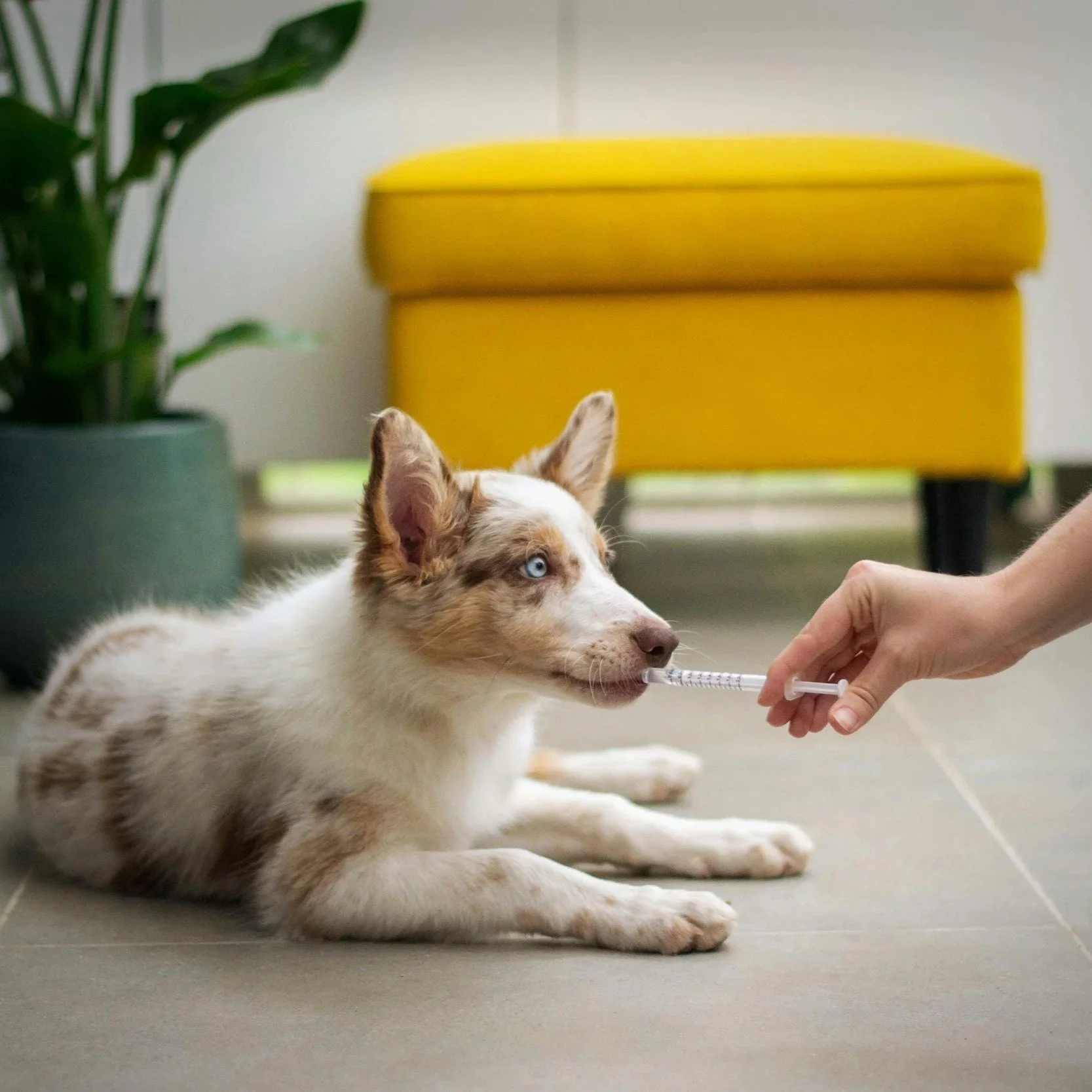
The best way to give your pet a long, healthy life is to catch problems early. These services form the foundation of that care.
Dental Care
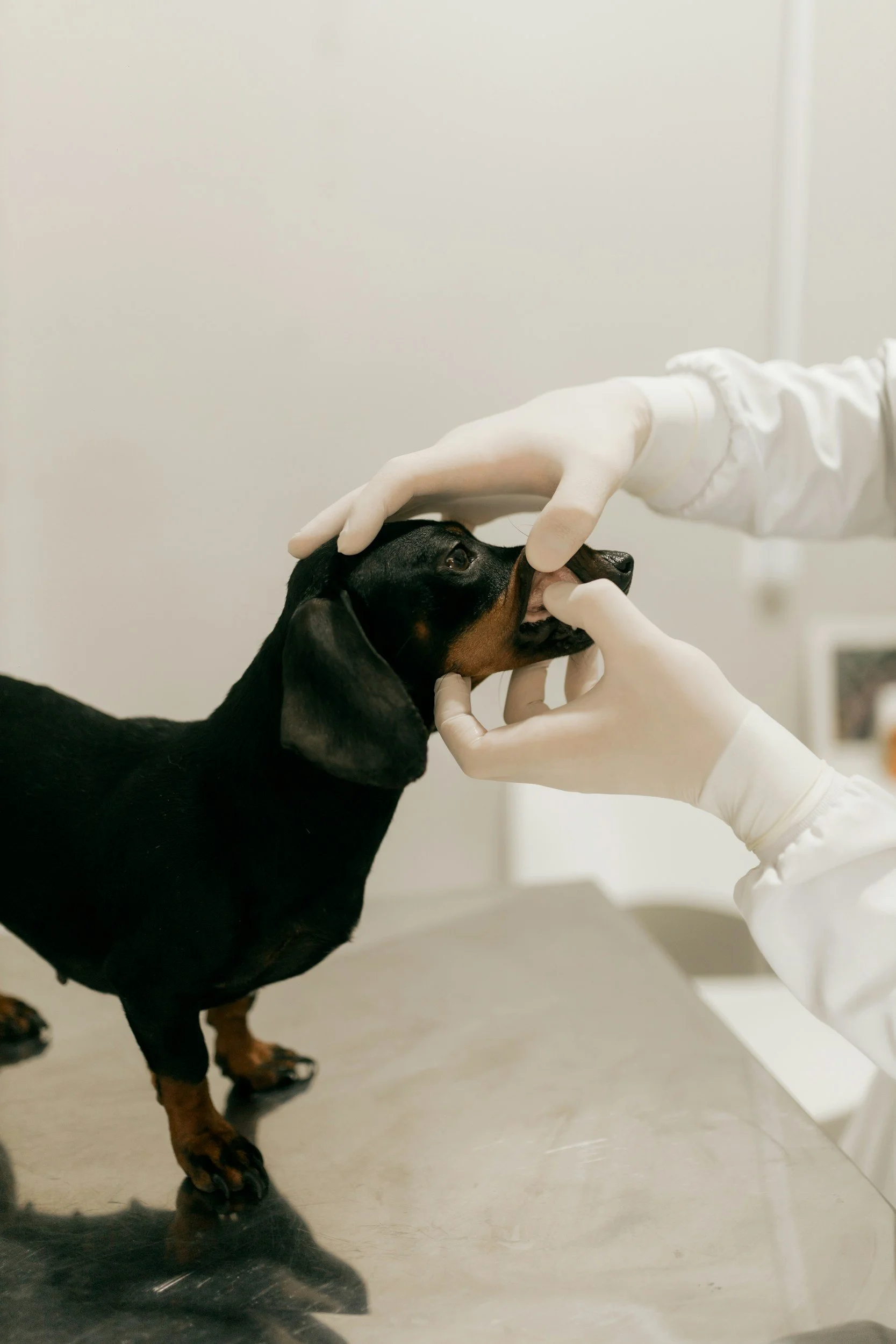
Dental disease is one of the most common health problems in dogs and cats, and it affects more than the mouth. Bacteria from infected gums can travel through the bloodstream and strain the heart, liver, and kidneys.
Diagnostics
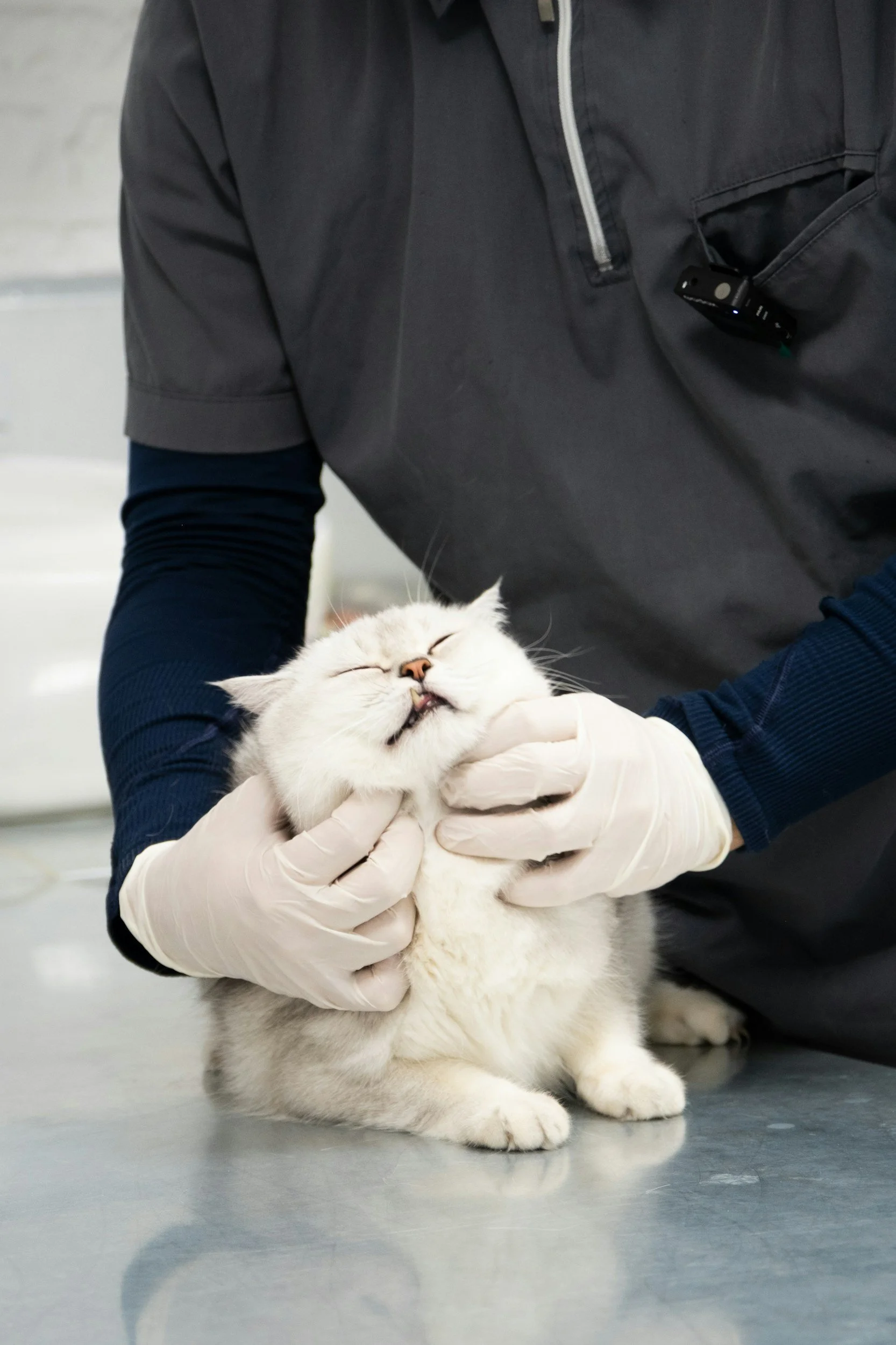
At Wasatch Springs Animal Hospital, accurate answers come first. Our in-house diagnostic tools help us understand what's going on with your pet quickly, so treatment can start sooner.
Medical Care
From a sudden upset stomach to a long-term condition, at Wasatch Springs Animal Hospital, we diagnose, treat, and support pets through every stage of illness.

Surgery
Whether your pet needs a routine procedure or an unexpected operation, safety and comfort guide everything we do at Wasatch Springs Animal Hospital.

Compassionate and Additional Services
Your pet’s care doesn’t end with the exam room. At Wasatch Springs Animal Hospital, support families through life’s hardest moments with gentle end-of-life care, euthanasia, and hospice support. We also make everyday care easier with an in-house pharmacy, boarding by a team that knows your pet’s health needs, grooming and bathing, and coordinated referrals to board-certified specialists when your pet needs advanced care.
Preventive and Wellness Care
The best way to give your pet a long, healthy life is to catch problems early. These services form the foundation of that care.
-
A thorough nose-to-tail exam is the cornerstone of good pet health. Our veterinarians check your pet's weight, eyes, ears, teeth, skin, heart, lungs, joints, and more, and we take time to talk through diet, behavior, and any changes you've noticed at home. Because pets age faster than people and often hide signs of illness, regular exams let us spot small concerns before they become serious and costly. Most healthy adult pets benefit from a visit at least once a year, while puppies, kittens, seniors, and pets with health conditions may need to be seen more often.
-
Vaccines protect your pet from serious, sometimes life-threatening diseases. We build a personalized vaccination plan based on your pet's age, lifestyle, and risk factors, such as whether they visit dog parks, groomers, or boarding facilities, spend time outdoors, or travel. Core vaccines protect against common and dangerous diseases, and additional lifestyle vaccines are recommended when your pet's exposure calls for them. We'll keep your pet's records up to date and send reminders so they never fall behind.
-
The first year sets the stage for a lifetime of health. Our puppy and kitten program covers the vaccine series, deworming, parasite prevention, microchipping, spay and neuter planning, and guidance on nutrition, housetraining, litter habits, and early socialization. We love meeting new family members and answering all of your first-time pet owner questions in a relaxed, low-stress setting.
-
Older pets deserve extra attention. Senior wellness visits typically include more detailed screening, such as blood and urine testing, blood pressure checks, and a close look at mobility and comfort, to catch conditions like kidney disease, arthritis, thyroid problems, and diabetes early. We work with you to adjust diet, exercise, and home setup so your companion can stay comfortable and active through their golden years.
-
Fleas, ticks, heartworms, and intestinal parasites are more than a nuisance. They can cause illness in pets and some can spread to people. We offer testing, year-round prevention recommendations tailored to your pet, and treatment when needed, including safe and effective options that are easy to give at home.
-
What your pet eats has a major impact on their energy, coat, digestion, and lifespan. We help you choose a diet that fits your pet's age, breed, activity level, and health needs. For pets carrying extra weight, we create a realistic weight-loss plan with feeding guidelines and regular weigh-ins, since even a few pounds can affect joints, heart health, and quality of life.
-
A microchip is a quick, permanent way to help bring a lost pet home. The tiny chip is placed under the skin during a routine visit, and we'll help you register your contact information so you can be found if your pet ever goes missing.
Diagnostics
At Wasatch Springs Animal Hospital, accurate answers come first. Our in-house diagnostic tools help us understand what's going on with your pet quickly, so treatment can start sooner.
-
Our on-site lab lets us run blood chemistry, complete blood counts, urinalysis, fecal tests, and screening for heartworm and other infectious diseases while you wait or within the same day. Faster results mean faster decisions, which matters most when your pet is sick or heading into surgery. Samples for more specialized testing are sent to trusted reference laboratories.
-
Heart disease and high blood pressure often show few outward signs. We can listen for murmurs and arrhythmias, perform electrocardiograms (ECGs), and measure blood pressure, which is especially valuable for senior pets, cats with kidney or thyroid disease, and breeds prone to heart conditions.
-
When your pet has a lump, a skin problem, or an ear infection, a quick microscopic look at cells can often tell us what we're dealing with that same day. If more information is needed, we can collect a biopsy and send it to a veterinary pathologist for a definitive diagnosis.
Surgery
Whether your pet needs a routine procedure or an unexpected operation, safety and comfort guide everything we do at Wasatch Springs Animal Hospital.
-
Spaying and neutering are among the most common procedures we perform. Besides preventing unwanted litters, they can reduce the risk of certain cancers and infections and may help with some behavior concerns. We'll talk with you about the best timing for your pet's breed, size, and health, and provide clear instructions for before and after surgery.
-
Our team performs a wide range of soft tissue procedures, including removal of skin and internal masses, wound repair, bladder stone removal, and abdominal surgery to address blockages or other emergencies. Each surgery is planned carefully, and we explain what to expect before, during, and after the procedure.
-
We can address many common orthopedic needs, such as fracture repair and certain joint and ligament problems. For complex cases that call for a board-certified surgeon, we work with trusted specialists and handle your pet's care before and after the referral.
-
Anesthesia safety is our top priority. Every surgical patient receives a pre-anesthetic exam and, when appropriate, blood work, along with an individualized anesthetic plan. During surgery, a trained team member monitors heart rate, oxygen level, blood pressure, temperature, and breathing from start to finish, and patients are kept warm and closely watched through recovery.
-
Pets feel pain just as we do, so pain control is built into every procedure. We use a combination of medications and techniques before, during, and after surgery to keep your pet comfortable, and we send you home with a clear plan for continued care.
-
Good recovery is part of good surgery. We provide written home-care instructions, medications as needed, and follow-up visits to check incisions, remove sutures, and make sure your pet is healing well. We're always just a call away if you have questions.
Dental Care
Dental disease is one of the most common health problems in dogs and cats, and it affects more than the mouth. Bacteria from infected gums can travel through the bloodstream and strain the heart, liver, and kidneys.
-
A professional cleaning removes plaque and tartar above and below the gumline, areas that brushing alone can't reach. Your pet is placed under anesthesia so we can clean and examine every tooth thoroughly and safely, then polish the teeth to slow future buildup. We'll also show you simple at-home habits that help keep your pet's mouth healthy between visits.
-
When a tooth is painful, fractured, or infected, removing it often brings immediate relief. Many pets eat more comfortably and act more like themselves afterward. We also treat oral growths and other mouth concerns, with pain control provided throughout.
-
Prevention is easier than treatment. We can recommend toothbrushing techniques, dental diets, treats, and water additives that have been proven to help, and help you build a routine that fits your pet and your schedule.
Medical Care
From a sudden upset stomach to a long-term condition, at Wasatch Springs Animal Hospital, we diagnose, treat, and support pets through every stage of illness.
-
When your pet isn't feeling well, we make room to see them. We evaluate concerns such as vomiting, diarrhea, coughing, limping, skin problems, and changes in appetite or energy, then work with you on a clear diagnosis and treatment plan. For after-hours emergencies, we'll direct you to the nearest emergency hospital.
-
Conditions like diabetes, kidney disease, thyroid disorders, heart disease, and arthritis can often be managed well with the right plan. We monitor your pet's progress with regular rechecks and testing, adjust treatment as needed, and support you with practical advice for daily care at home.
-
Itchy skin, hot spots, recurrent ear infections, and hair loss can make pets miserable. We look for the underlying cause, whether allergies, parasites, infection, or something else, and build a treatment plan that brings lasting relief rather than just a temporary fix.
-
Eye problems can progress quickly. We evaluate redness, discharge, squinting, and cloudiness, check for conditions such as corneal ulcers and glaucoma, and treat what we can in the clinic. Complex cases are referred to veterinary ophthalmologists.
-
Pets who need extra care may stay with us for fluid therapy, medication, monitoring, and nursing support. Our team keeps you updated on your pet's progress and keeps them as comfortable as possible during their stay.
-
Anxiety, fear, aggression, and house-soiling often have medical or environmental causes. We can talk through what you're seeing, rule out health problems, and recommend training, environmental changes, or other support to help your pet and your household feel calmer.
Compassionate and Additional Services
Your pet’s care doesn’t end with the exam room. At Wasatch Springs Animal Hospital, support families through life’s hardest moments with gentle end-of-life care, euthanasia, and hospice support. We also make everyday care easier with an in-house pharmacy, boarding by a team that knows your pet’s health needs, grooming and bathing, and coordinated referrals to board-certified specialists when your pet needs advanced care.
-
Saying goodbye to a beloved pet is one of the hardest things a family goes through. We offer a calm, private, and respectful experience, with time for you to be with your pet and no pressure to rush. We'll explain each step, answer your questions, and discuss aftercare options, including cremation and burial arrangements.
-
For pets with advanced or terminal illness, our goal is comfort. We can help you manage pain and symptoms, assess your pet's quality of life, and plan ahead so that you feel supported in making difficult decisions.
-
We stock the medications, preventives, and prescription diets your pet needs, so you can pick them up at the time of your visit. Prescription refills and questions about dosing can be handled by our team, and we can also arrange for products to be shipped to your home through our online pharmacy where available.
-
When you're away, your pet can stay with a team that already knows their health history. Boarding at our hospital means medications, special diets, and medical needs are handled by trained staff, giving you peace of mind.
-
A clean coat and trimmed nails keep pets comfortable and help us notice skin problems, lumps, and other changes early. Ask about bathing, nail trims, and anal gland expression.
-
Some cases call for advanced expertise. When your pet needs a board-certified specialist, such as a cardiologist, oncologist, neurologist, or surgeon, we'll arrange the referral, share records, and stay involved so your pet's care stays coordinated.
FAQs
As your veterinarian in Salt Lake City, we at Wasatch Springs Animal Hospital know you sometimes have questions about your very important pets. Here are a few of the frequently asked questions we’ve received. We know that there is no limit to the questions you may have for your pets, so please visit us or contact us if you have additional questions unanswered here.
Q. My dog has been sick for 2 days, when should I bring him in?
A. You should treat your pet like a member of the family. One or two days feeling “sick” or off is the limit. If you don’t know what’s wrong, schedule an appointment. One exception is the sicker the patient, the sooner we should see them.
Q. I looked up my diagnosis on the Internet. Can I just come in for medication?
A. Online information can't replace an exam, and prescriptions require one.. The reason for the doctor visit is to properly diagnose and treat your pet. Dr Blotter has more than 35 years of experience working with animals. Also, prescription drugs require a professional visit and examination.
Q. My dog is sick, what can I give him at home?
A. Most home medications are OTC (over the counter) and are usually dosed for human weight and size. Some are also unsafe for pets. Never give any medication without first speaking with Dr. Blotter. We understand that cost is often a factor in visiting the clinic, but sometimes you can make things much worse and more expensive by waiting.
Q. There are worms in my pet’s stool. Can I just buy a wormer at the store?
A. Veterinarians have spent years in school learning how to diagnose and treat problems. Let us accurately diagnose the parasite for you and prescribe an appropriate prescription medication designed specifically for your problem. Most OTC (over the counter) wormers only take care of one of two problems. And you would be surprised at how inexpensive prescription parasitic medication really is.
Q. I’m going on vacation. Should I leave my pet with a neighbor?
A. We want you to trust the caretaker of your pet. Dogs can have a tendency to get loose and run. Don’t ruin a good friendship with a lost pet. We can provide boarding, and grooming in a safe environment. Your pet will be safe with us on your return.
Q. My pet is very old and losing vision and hearing. When should I think about end of life care?
A. End of life care is a difficult decision for anyone. We are happy to consult on these difficult decisions and provide professional advice. However the final decision is always with you.
Q. When do I start vaccinations on my new pet?
A. New vaccinations usually begin between six and nine weeks of age while parasite treatment can begin as early as two weeks. If your breeder has started vaccinations, be sure to get a written record.
Q. What age do you recommend neutering?
A. While there is a bit of variability here, most dogs and cats are neutered (spayed) by 4 to 6 months of age. This procedure can prevent a host of problems including pregnancy, cancer and illness.